
If you want to buy premium graphic design tools in 2026, you can find affordable options without overspending. Many freelancers, students, marketers, and small business owners look for professional software to create documents, brochures, icons, and web page designs. Buying premium tools means getting software with advanced features that help you work better and faster.
This article guides you on how to buy premium graphic design tools, what features to check, and where to find options that fit your budget. You’ll learn about popular software from Adobe Inc., apps like Procreate (software) for digital painting, and tools for website wireframe and UI design. We also cover hardware tips and answer common questions to help you make smart choices.
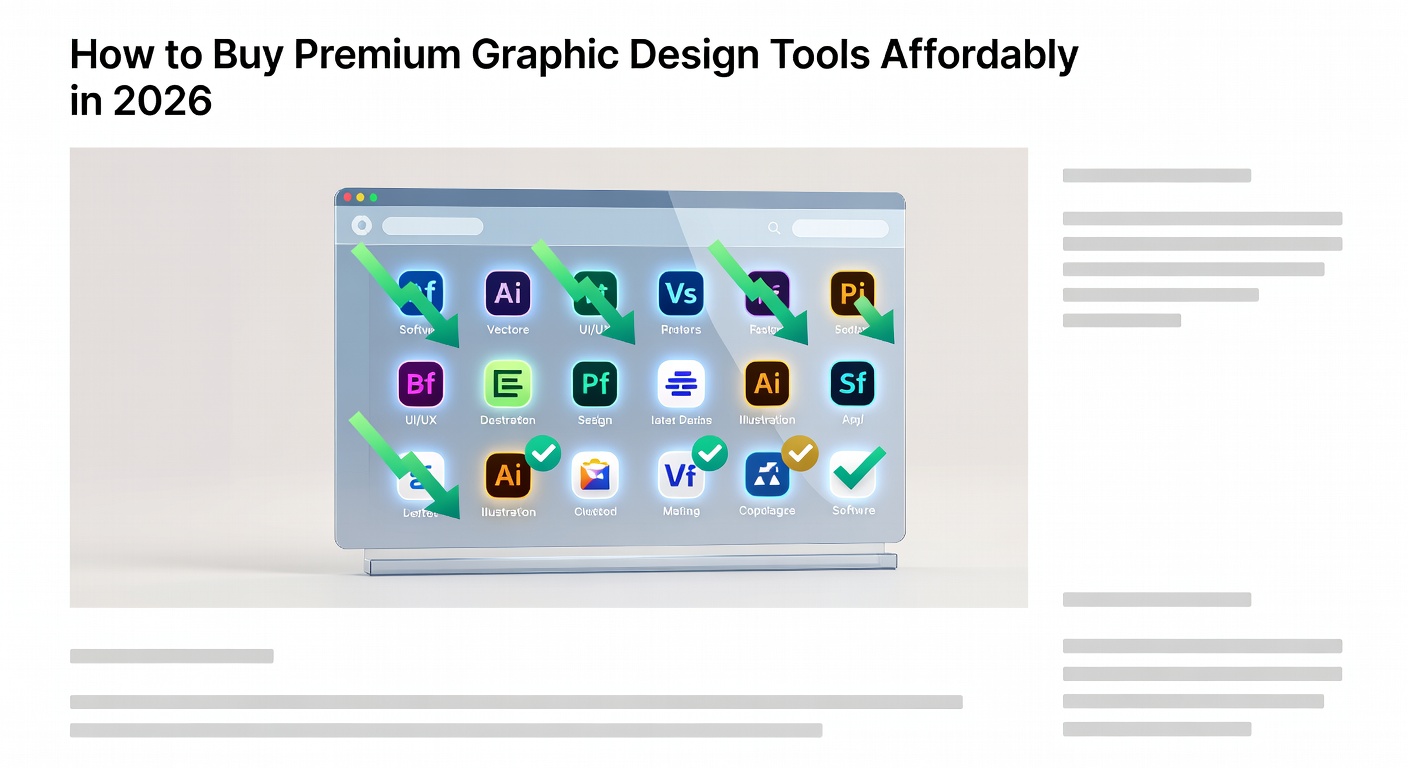
What Does It Mean to Buy Premium Graphic Design Tools?
To buy premium graphic design tools means purchasing software with strong features beyond free or basic apps. These tools support tasks like image manipulation, vector illustration, page layout, and exporting documents for print or online use.
Premium programs often include template libraries, cloud syncing, and design collaboration options. Examples include Adobe Illustrator for vector art and icon (computing) creation, Adobe Photoshop for photo editing, Adobe InDesign for brochures and multi-page documents, Affinity Designer, Figma for website wireframe and user interface design, and Procreate (software) for digital painting.
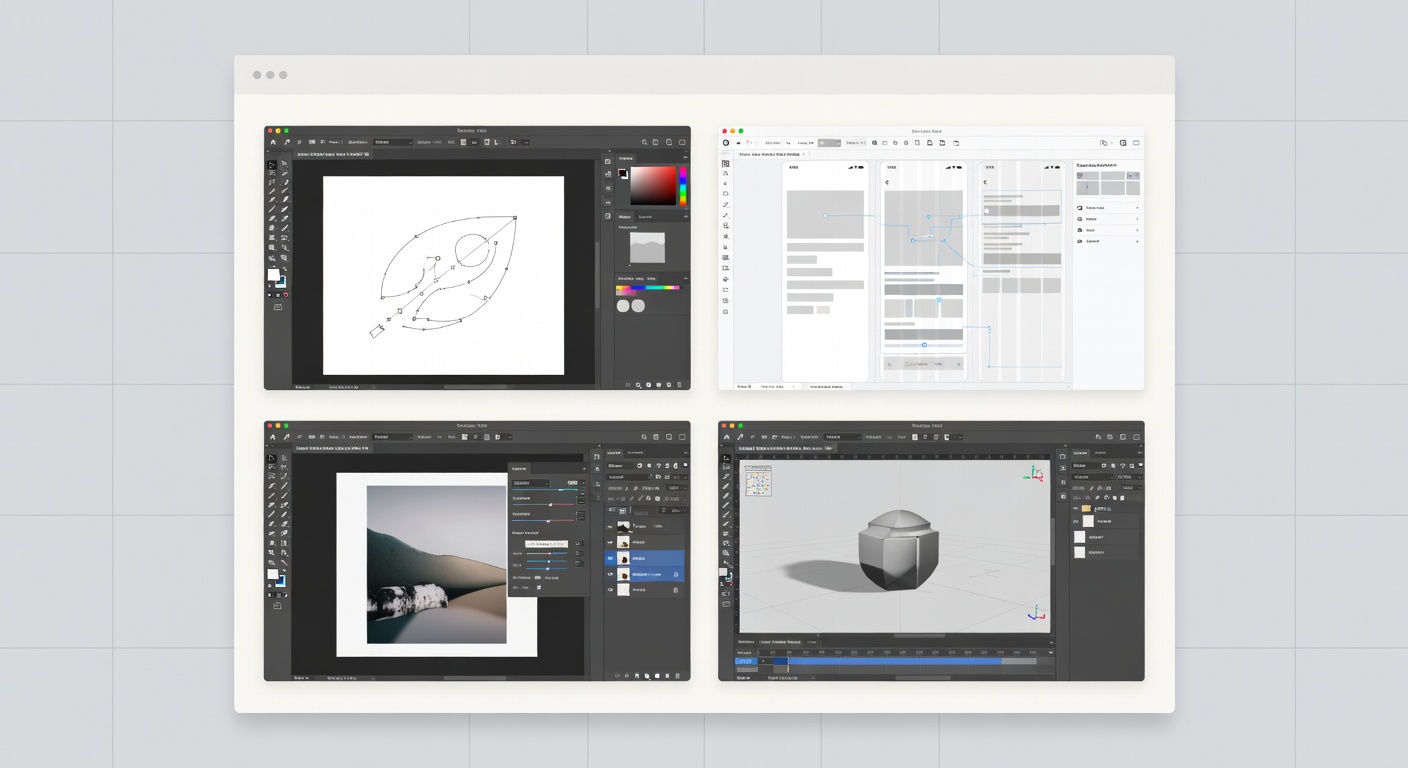
Types of Premium Graphic Art Software
Vector graphics editors: Create logos, icons, and scalable artwork (e.g., Adobe Illustrator, Affinity Designer).
Raster graphics editors: Edit photos and pixel-based images (e.g., Adobe Photoshop, GIMP).
Page layout tools: Design brochures, reports, and documents (e.g., Adobe InDesign).
UI and web design tools: Build website wireframes, user interfaces, and prototypes (e.g., Figma, Sketch).
Digital painting apps: Create illustrations and concept art (e.g., Procreate (software), Krita).
Motion graphic design: Animate and add video effects (e.g., Adobe After Effects).
How to Buy Premium Graphic Design Tools Affordably in 2026
Buying premium graphic design tools does not always require paying full price upfront. Here are ways to get affordable access:
Subscriptions: Monthly or yearly plans for software like adobe’s Creative Cloud give access to multiple apps.
One-time purchases: Some tools like Affinity Designer offer permanent licenses without ongoing fees.
Group buys or shared access: Shared licenses reduce cost by letting several users access software.
Free trials and limited versions: Test software before buying or use free tools with good features.
This flexibility suits beginners who want to try different software and freelancers who only need tools for short projects.
Why Affordable Access Matters for Design Professionals
Affordable access allows you to use professional software without a large upfront cost. It helps you improve skills, create better brochures, icons, and documents, and take on more client work.
For example, you might buy adobe’s Illustrator for a short time to create a logo or use canva’s platform for fast social media graphics. This way, you spend less while still getting useful tools for your projects.
Key Features to Consider When Buying Premium Graphic Design Tools
When buying, think about your design process and check these features:
File support: Can the software handle vector formats like SVG and PDF? Does it support raster images?
Typography tools: Are text features good for creating brochures or brand documents?
Template libraries: Does it offer templates for fast design starts?
Design collaboration: Can you share documents and work with others easily?
Cloud syncing: Is your work saved and accessible across devices?
Drawing tools: Are there features for digital painting or illustration?
Gradient and effects: Can you make smooth color transitions and styles?
Export options: Can you export high-quality files for print, web, or presentations?
Usability: Is the software beginner-friendly and easy to learn?
Display resolution standards: Does the software support high display resolution standards for better visual quality?
Popular Premium Graphic Design Software and Their Uses
Knowing the strengths of each tool helps you choose software that fits your projects and career goals.
Adobe Inc.: Industry Standard Tools for Professionals
Adobe Inc. offers widely used software for many design tasks. adobe’s Illustrator is popular for creating icons and to create vector artwork. Adobe Photoshop is strong for image manipulation and raster editing. Adobe InDesign excels in making brochures and multipage documents.
Adobe Creative Cloud offers subscription plans with cloud storage and integration between apps. Adobe Express is a simpler tool from Adobe Inc. for quick documents and social media posts, fitting beginners and hobbyist users.
Other Notable Software: Affinity Designer, Figma, and Procreate (software)
Affinity Designer sells a one-time license and supports both vector and raster work. It’s fit for designers who want to avoid monthly fees.
Figma is cloud-based and works well for website wireframe and user interface design. It offers real-time design collaboration, useful for teams and remote work using a Web browser.
Procreate (software) is a favored digital painting app for iPads and works well with an imac and other devices. It offers smooth brushes and natural drawing tools, ideal for illustrators.
Where Canva’s Platform Fits In
canva’s platform is beginner-friendly and fits quick projects like social media graphics, flyers, or brand materials. It is less complex than adobe’s tools but works well for users with limited design experience or hobbyist needs.
Free and Open-Source Graphic Art Software Worth Trying
If you want to start without cost, these free and open-source software options offer solid features:
Inkscape: A vector editor for basic to intermediate work, good for computer-aided design tasks and icon (computing) creation.
GIMP: A raster graphics editor similar to Photoshop, suitable for image manipulation.
Krita: Focused on digital painting and illustration.
Free and open-source software can be great for beginners or tight budgets but may lack advanced features of premium tools.
Hardware Recommendations for Using Premium Graphic Design Tools
Good hardware helps you work better with design software. A high-end monitor shows accurate colors and sharp details, important for photo editing and digital painting.
Many design professionals use Wacom tablets for precise drawing. These tablets offer pressure sensitivity and a natural feel, important for digital painting and motion graphic design.
Some prefer an imac for performance and clear displays. A good setup reduces eye strain and helps you focus during long design sessions.
Safe Practices When Buying Premium Graphic Design Tools
Follow these tips to protect your purchase and work:
Buy from trusted sources to avoid scams and illegal copies.
Check what support and updates come with your purchase or subscription.
Use strong passwords and keep your login details private.
Back up your work regularly, especially if using cloud computing or cloud storage.
Avoid shared accounts with unclear rules or downloading software from unknown websites.
Checklist: Choosing the Right Premium Graphic Design Software
Before buying, ask yourself:
Do I need to create vector graphics, raster editing, or both?
Will I work alone or need design collaboration features?
Do I need compatibility with Adobe Inc. file formats?
Is cloud syncing and collaboration important for me?
Do I design for print, web pages, social media, or motion graphics?
What is my budget for application software?
Is the software fit for designers at my skill level?
How steep is the learning curve?
Popular Graphic Design Tools Included in Group Buys
Group buys often include well-known software and hardware:
Adobe Inc.: Industry standard tools for vector, raster, page layout, and motion graphic design.
Wacom: Hardware tablets that improve drawing and digital painting.
Procreate (software): Popular app for digital painting on iPad.
Affinity Designer: One-time purchase for vector and raster work.
Figma: Cloud-based UI and web design with collaboration features.
Open-source tools: Inkscape, GIMP, and Krita for free design work.
Future Trends in Premium Graphic Design Tools
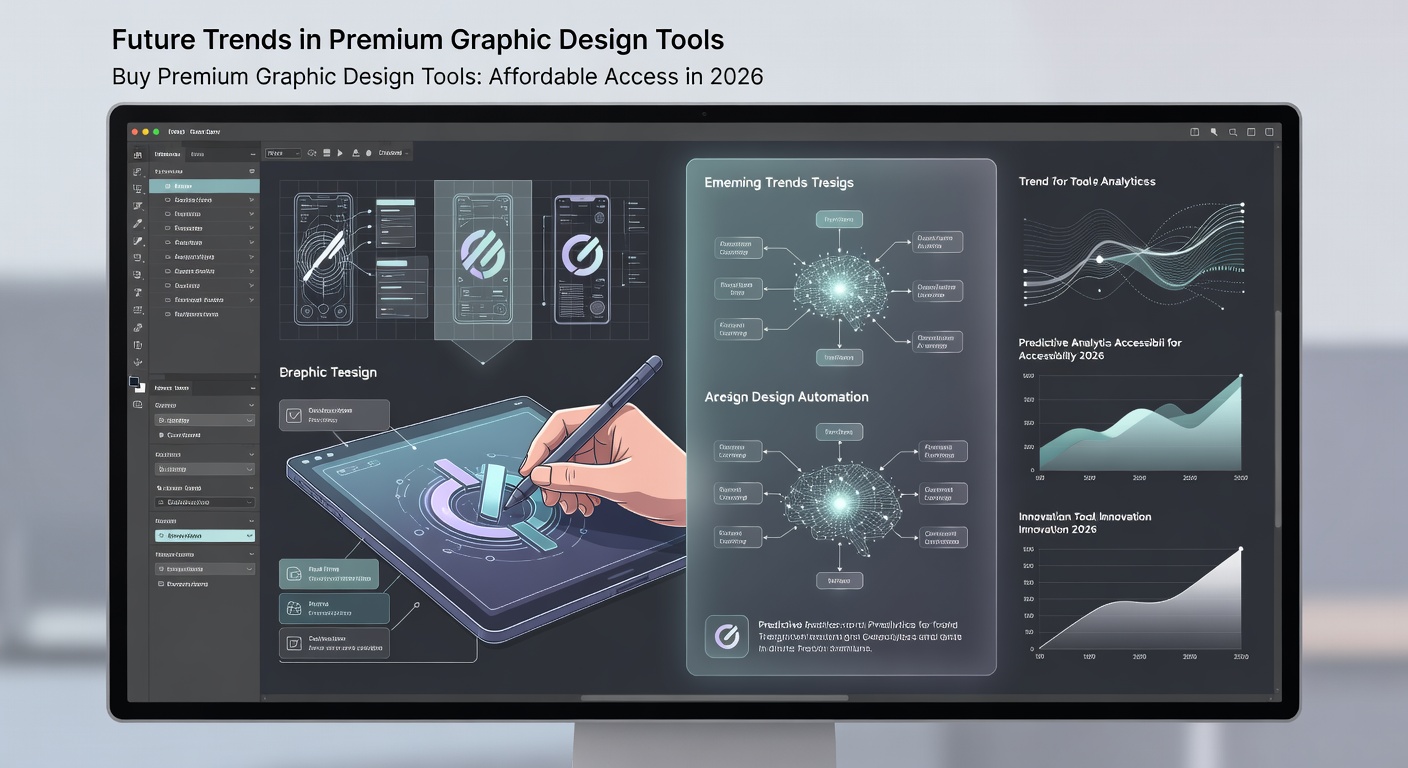
Graphic art software is moving towards more cloud computing and collaborative features. Generative artificial intelligence tools are starting to help with layout ideas and content creation.
Expect better integration across devices like iPads, imacs, and Microsoft Windows PCs, making it easier to work on projects anywhere with improved user experience design and support for display resolution standards.
Practical Buying and Usage Tips
Before you choose a buy premium graphic design tools plan, check a few practical points. These tips help you compare price, access, support, and daily use without making the article feel like a keyword list.
Price, Plan, and Refund Checks
Subscription-based: Before choosing a plan, compare the Subscription-based details, refund rules, and access limits so you know what you are paying for.
Free versions: Look at how Free versions works in practice, not just whether the feature name is listed on the page.
Freelancer: If Freelancer is important for your work, confirm the access rules before you buy the plan.
Features and Daily Use
Graphic design tool: Graphic design tool should help with real daily work, such as research, planning, tracking, or improving content performance.
Workflow: Look at how Workflow works in practice, not just whether the feature name is listed on the page.
Toolkit: Toolkit should help with real daily work, such as research, planning, tracking, or improving content performance.
Tools for graphic designers: Tools for graphic designers should help with real daily work, such as research, planning, tracking, or improving content performance.
Best tools for graphic: Best tools for graphic should help with real daily work, such as research, planning, tracking, or improving content performance.
Advanced tools and features: Advanced tools and features should help with real daily work, such as research, planning, tracking, or improving content performance.
Image editing: If Image editing is important for your work, confirm the access rules before you buy the plan.
Range of features: Range of features should help with real daily work, such as research, planning, tracking, or improving content performance.
Who This Option Helps
User-friendly: User-friendly is worth checking when you compare whether the Buy premium graphic design tools plan fits your daily workflow.
User-friendly interface: Look at how User-friendly interface works in practice, not just whether the feature name is listed on the page.
Extra Points to Compare
Prototype: Prototype is worth checking when you compare whether the Buy premium graphic design tools plan fits your daily workflow.
One-off: Look at how One-off works in practice, not just whether the feature name is listed on the page.
Vector-based: If Vector-based is important for your work, confirm the access rules before you buy the plan.
Generative AI: Generative AI can add value when it helps you save time, make better decisions, or improve your content quality.
Design program: Design program is worth checking when you compare whether the Buy premium graphic design tools plan fits your daily workflow.
Graphic design industry: Look at how Graphic design industry works in practice, not just whether the feature name is listed on the page.
Ux design: If Ux design is important for your work, confirm the access rules before you buy the plan.
Professional graphic design: Professional graphic design can add value when it helps you save time, make better decisions, or improve your content quality.
Helpful Links Before You Choose
Before you buy, it is smart to compare the main service, related tools, access rules, and support options. These links can help you make a safer choice.
premium tools collection can help you compare related options before you choose a plan.
You can also check the official Figma website for official product details.
You can also check the official Canva website for official product details.
FAQs about buy premium graphic design tools
What is the best graphic design software for beginners
Canva is easy to use for quick projects. Figma supports teamwork and UI design. Affinity Designer offers a one-time payment and is beginner-friendly. Free tools like Inkscape and GIMP are also good starting points.
Are there any premium graphic design tools without subscriptions
Yes. Affinity Designer sells a permanent license without monthly fees. CorelDRAW sometimes offers one-time purchase options too.
Can I use free graphic design software for professional work
Free tools like Inkscape, GIMP, and Krita handle many design tasks well. They are suitable for learning and some projects but may lack features found in premium software.
Is Adobe Inc. still the best choice for graphic design
Adobe Inc. remains popular for vector art, photo editing, and page layouts. It suits professionals needing wide compatibility and cloud features. But other software may be better for specific needs.
How do I choose the right premium graphic design tools
Match the software to your main work type, budget, and skill level. Consider file compatibility and if you need cloud syncing or design collaboration features.
What kind of software do design professionals use most
Design professionals commonly use vector editors like Adobe Illustrator, raster editors like Photoshop, UI tools like Figma or Sketch, and digital painting apps like Procreate (software). Motion graphics software is also popular for animation.
Is a degree necessary to work in a design career
A degree can help, but practice, a strong portfolio, and knowing design software matter more for many jobs.
What does a graphic designer do during the design process
Graphic designers create visual content by combining images, text, colors, and layouts. They work on documents, brochures, websites, and more, using software in a design environment focused on usability and user experience design.