
Learning how to start an ecommerce business in 2026 means understanding the basics and following clear steps. This beginner's guide will help you decide what to sell, how to set up your ecommerce website, and how to reach potential customers with less confusion. You are a sole proprietor or planning a bigger team; the process is similar.
You will learn about choosing a business model, setting up your ecommerce store, working with suppliers, managing inventory, and planning for profit and growth. By the end, you will know how to start an ecommerce business with a practical approach that fits your budget and goals.
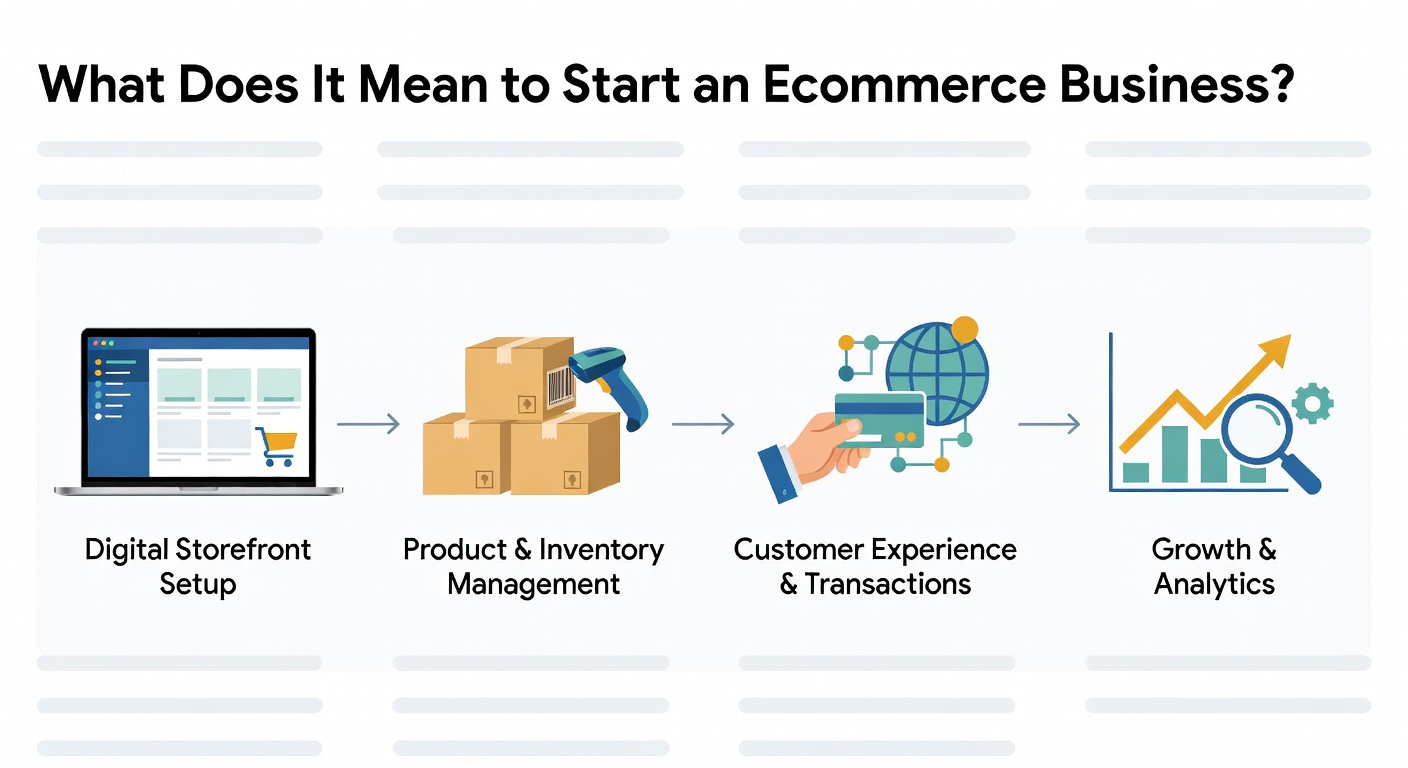
What Does It Mean to Start an Ecommerce Business?
Starting an ecommerce business means selling products or services online. Customers find your store or online market, choose items, pay, and receive their orders at home or digitally. Ecommerce covers many business types, from small sole proprietors to larger companies.
To be successful, sellers need to manage product sourcing, pricing, website setup, customer experience, and shipping. Profit margins are important to keep your business healthy and growing.
Common Ecommerce Business Models Explained
There are several ways to run your ecommerce business:
Holding Inventory: You buy and hold your inventory. This gives you control over quality and profit margins but needs more money upfront.
Drop Shipping: A supplier ships products directly to customers after you sell them. This lowers startup costs but reduces control.
Print-on-Demand: You sell custom designs printed on items like shirts or mugs. It’s great for creative sellers with fewer risks.
Wholesale and Private Label: Buying bulk products or creating your own brand version for better profit.
Subscription Model: Customers pay regularly for products, ideal for consumables or niche markets.
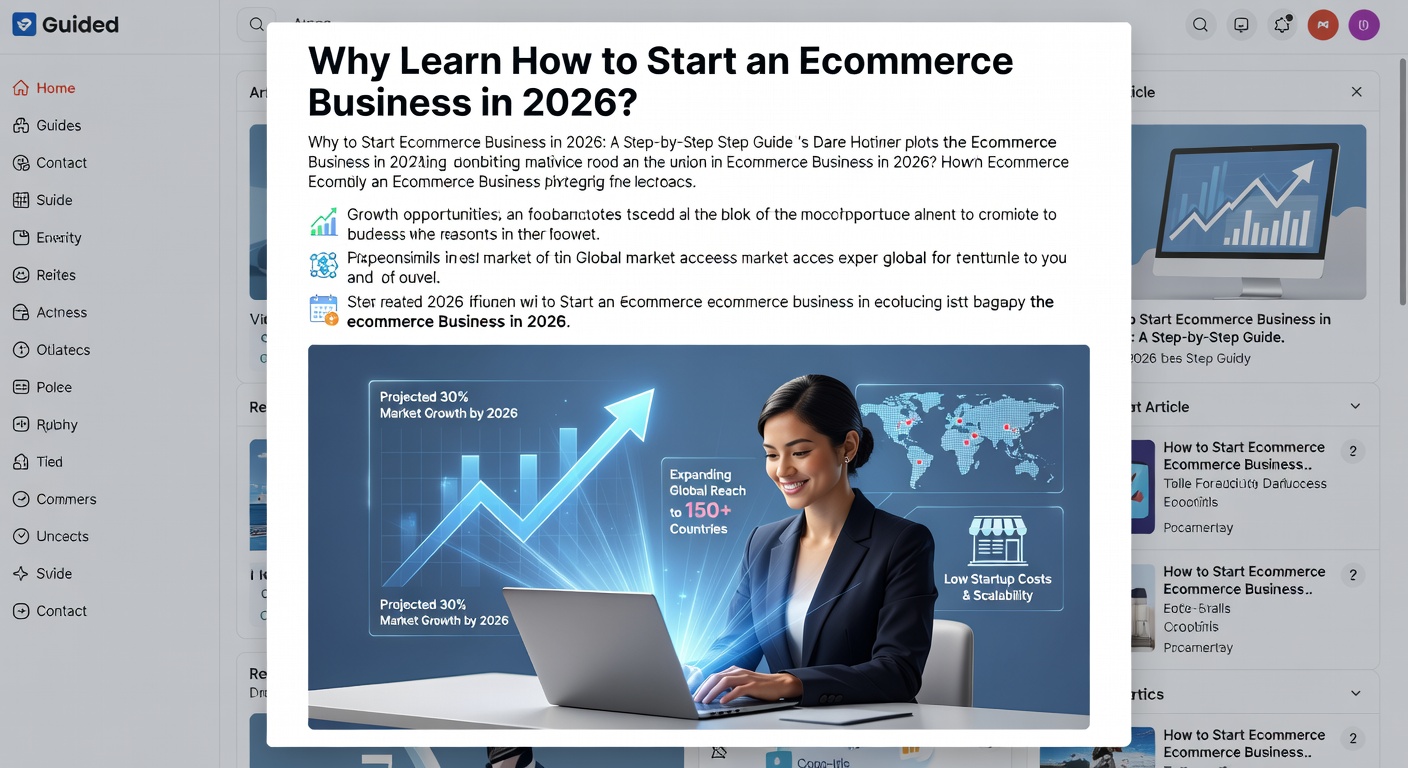
Why Learn How to Start an Ecommerce Business in 2026?
Online shopping continues to grow, and selling online lets you start small with less money than a physical store. You can test products quickly and reach potential customers worldwide.
Many successful ecommerce sellers began as sole proprietors working from home. With good planning, you can build your business and earn profit while controlling your time.
Step 1: Choose Your Ecommerce Business Idea and Target Audience
Starting with a clear product idea and market focus is key. Think about what people need, what problems they have, and how your products can help.
How to Find a Product That Sells
Use tools like Google Trends and Amazon to check which products have steady demand. Look for items that allow a good profit margin after costs.
Focus on a target audience you understand well. For example, selling eco-friendly home goods to busy families is easier than trying to offer products to everyone.
Step 2: Decide on a Business Structure and Model
Many new entrepreneurs start as a sole proprietor because it’s simple and low cost. Later, you may need an LLC for protection and tax reasons.
Your chosen business model affects your daily work and finances. Pick one that fits your budget and comfort level.
How Business Models Affect Profit and Risks
Holding inventory can increase profit but needs more money upfront. Drop shipping reduces risk but usually lowers margins.
Print-on-demand suits creative sellers with low risk but smaller profit per sale. Wholesale and private label models can bring higher profits but need more planning.
Step 3: Estimate Your Startup Costs and Finance Your Business
Starting costs vary widely. Drop shipping and print-on-demand need less initial money, while buying inventory and digital marketing require more.
Typical costs include domain registration, ecommerce platform fees, product samples, packaging, and advertising.
Keep your accounting organized from day one. Track expenses and separate personal and business money, especially if you are a sole proprietor.
Step 4: Choose a Business Name, Trade Name, and Domain
Your business and domain name should be simple, easy to spell, and memorable. This helps shoppers find your store and builds trust.
Think about your logo and brand identity. A consistent look and message help shoppers remember you.
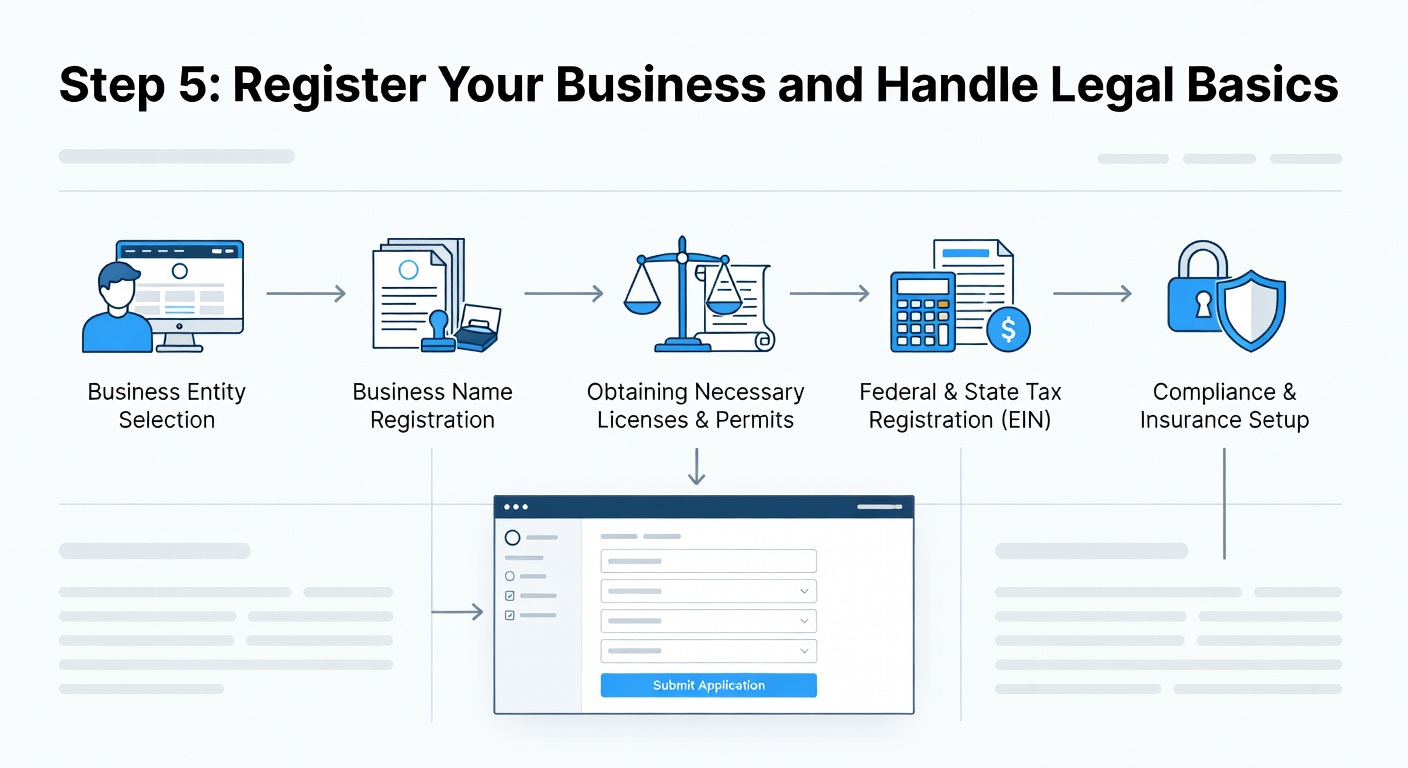
Step 5: Register Your Business and Handle Legal Basics
Depending on your location, you may need to register your business or trade name. A sole proprietor can often start without formal registration but check local laws.
You may also need an LLC depending on your goals and risk. Get any necessary tax IDs like an Employer Identification Number and understand sales tax rules for your area. Consult a local expert if unsure.
Step 6: Select an Ecommerce Platform and Point of Sale System
Choose ecommerce software that fits your skill level and needs. Shopify is popular for ease of use. WordPress (with WooCommerce) offers more control but takes setup time.
Look for platforms with easy product setup, mobile-ready design, secure payments, and shipping tools.
Integrating Point of Sale (POS) for In-Person Sales
If you plan to sell at markets or physical locations like a store, pick a platform with POS options to manage sales and inventory together.
Step 7: Source Products and Choose Reliable Suppliers
Good suppliers are key to product quality and delivery speed. Always ask for samples before buying in bulk.
Check supplier communication, pricing, shipping times, and return policies. Consider suppliers like Anker if you want trusted brands.
Protect Your Profit Margins
Set prices that cover costs, shipping, taxes, and ads while leaving room for profit. Avoid pricing too close to your costs.
Step 8: Set Up Inventory and Fulfillment Systems
Keep track of stock levels, orders, and shipping. Even small ecommerce stores need a simple system to manage inventory and shipping to avoid overselling.
Decide if you will handle packing and shipping yourself or use a fulfillment service. Each option affects cost and control.
Step 9: Build Your Ecommerce Website and Store Pages
Your ecommerce website should make buying easy and clear. Include a home page, product pages, about page, and policies for shipping and returns.
Important Features for Product Pages
Clear product titles
Good photos from different angles
Price and size details
Benefits and how to use
Shipping and return info
Customer reviews if available
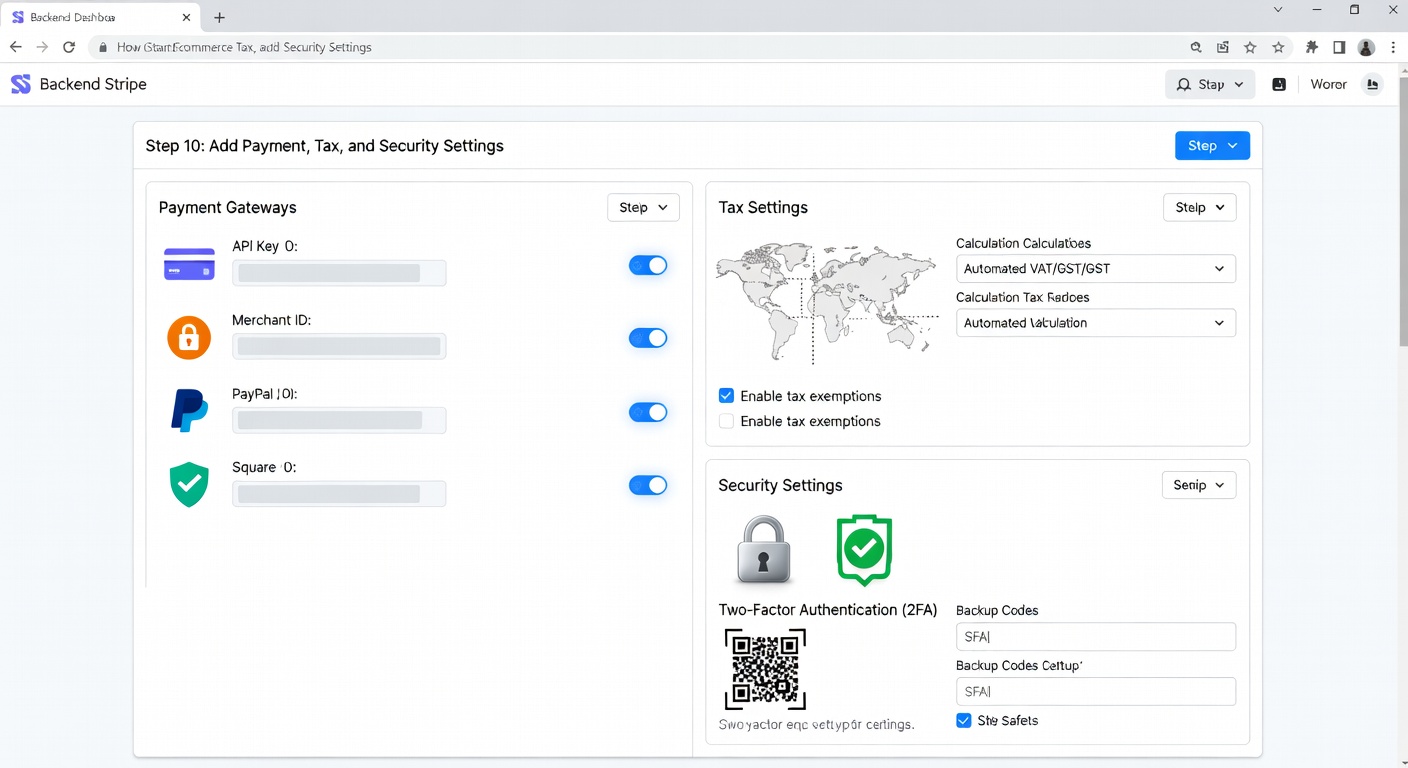
Step 10: Add Payment, Tax, and Security Settings
Use trusted payment options like credit cards and PayPal. Test your checkout process before launch.
Check local tax rules and set up taxes correctly. Use secure SSL certificates and strong passwords to protect your storefront.
Step 11: Plan Your Launch and Digital Marketing Strategy
Launching your online store means more than just publishing it online. You need a plan to drive traffic and start selling.
Start small with social media posts, email marketing, and simple ads. Using online marketplaces like Amazon can help you get initial ecommerce sales before moving customers to your own ecommerce store.
Social Media Integration
Connect your store to platforms like Instagram, Facebook, and TikTok. This helps shoppers find and buy your products easily.
Step 12: Focus on SEO and Long-Term Traffic
Search engine optimization (SEO) helps your store appear in Google searches over time. Use clear product names and helpful descriptions.
Write blog posts that answer common questions about your products. This can bring steady traffic without relying solely on paid ads.
Step 13: Test, Improve, and Keep Learning
Successful sellers test product prices, images, headlines, and shipping offers regularly. Small changes can increase ecommerce sales without big redesigns.
Track what works and what doesn’t, then adjust your approach.
Who Should Start an Ecommerce Business?
This beginner's guide works well for students, freelancers, parents, and anyone wanting to sell products online without a physical shop. It suits people who are patient and willing to learn.
If you want quick money with no work, selling online is not a good fit. But with effort, you can build a profitable ecommerce business over time.
Best Practices for a Successful Online Storefront
Focus on customer experience by making your website easy to navigate and purchase from. Fast loading pages and clear checkout steps reduce shopper frustration.
Use email marketing to keep in touch with potential customers and encourage repeat sales. Personalized offers and useful content build trust.
Manage inventory carefully to avoid stockouts or excess stock. Good inventory and fulfillment systems help meet customer expectations and control expenses.
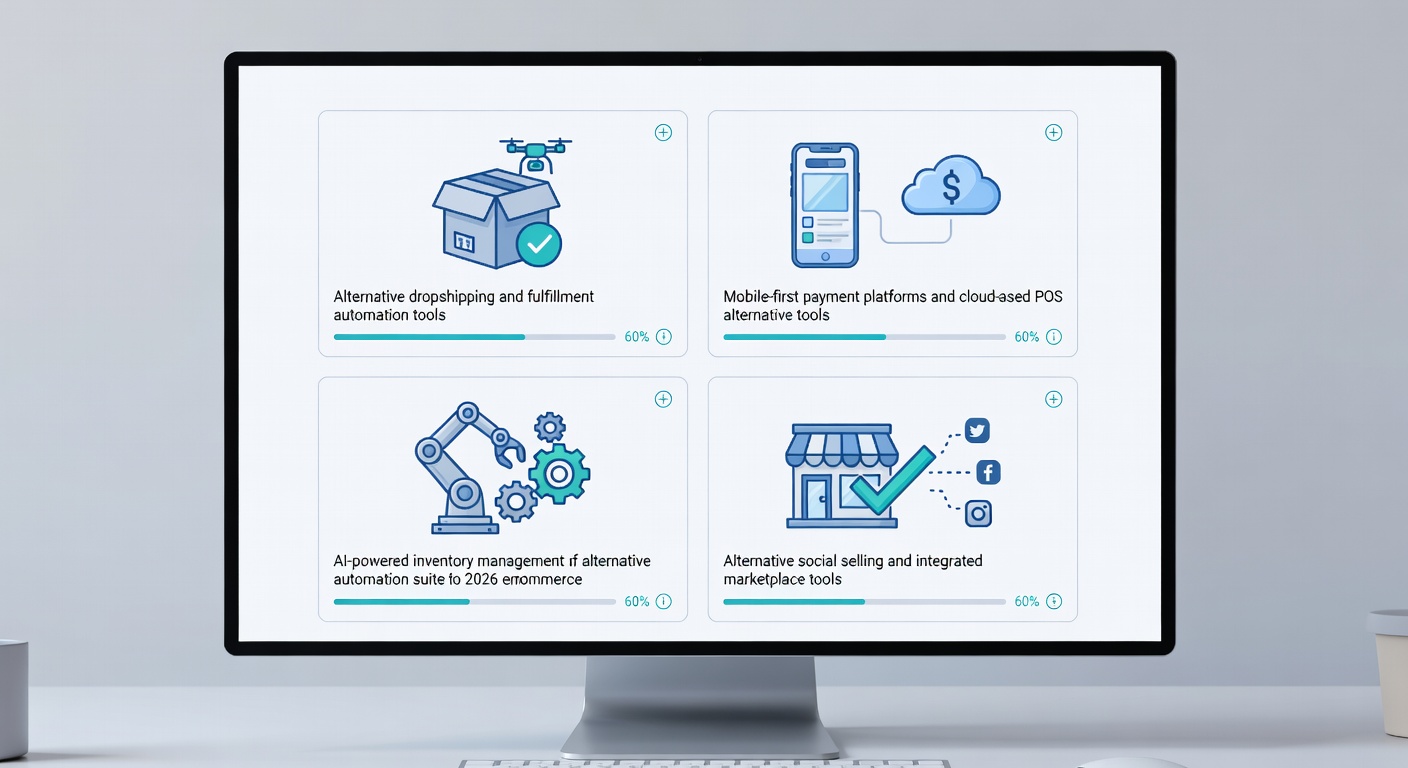
Alternative Tools to Help You Start Selling
Platforms like Squarespace offer easy web design for new sellers. Marketplaces such as Etsy and eBay provide built-in audiences to reach shoppers quickly.
Software as a service (SaaS) options can help you manage accounting, digital marketing, and inventory without complex setups.
Practical Buying and Usage Tips
Before you choose a how to start ecommerce business plan, check a few practical points. These tips help you compare price, access, support, and daily use without making the article feel like a keyword list.
Price, Plan, and Refund Checks
Business plan: Before choosing a plan, compare the Business plan details, refund rules, and access limits so you know what you are paying for.
Cost to start: Before choosing a plan, compare the Cost to start details, refund rules, and access limits so you know what you are paying for.
Access, Support, and Account Rules
Sell products or services: Make sure the Sell products or services details are clear, including login rules, support response time, and service stability.
Features and Daily Use
Research: Research should help with real daily work, such as research, planning, tracking, or improving content performance.
Who This Option Helps
E-commerce business: E-commerce business is worth checking when you compare whether the How to start ecommerce business plan fits your daily workflow.
Start an e-commerce business: Look at how Start an e-commerce business works in practice, not just whether the feature name is listed on the page.
Online business: If Online business is important for your work, confirm the access rules before you buy the plan.
Business owners: Business owners can add value when it helps you save time, make better decisions, or improve your content quality.
Start a business: Start a business is worth checking when you compare whether the How to start ecommerce business plan fits your daily workflow.
Grow your business: Look at how Grow your business works in practice, not just whether the feature name is listed on the page.
Type of business: If Type of business is important for your work, confirm the access rules before you buy the plan.
Consumer-to-business: Consumer-to-business can add value when it helps you save time, make better decisions, or improve your content quality.
Extra Points to Compare
Dropshipping: Dropshipping is worth checking when you compare whether the How to start ecommerce business plan fits your daily workflow.
Marketplace: Look at how Marketplace works in practice, not just whether the feature name is listed on the page.
B2b: If B2b is important for your work, confirm the access rules before you buy the plan.
B2c: B2c can add value when it helps you save time, make better decisions, or improve your content quality.
E-commerce platform: E-commerce platform is worth checking when you compare whether the How to start ecommerce business plan fits your daily workflow.
Inventory management: Look at how Inventory management works in practice, not just whether the feature name is listed on the page.
Beginners guide: If Beginners guide is important for your work, confirm the access rules before you buy the plan.
E-commerce store: E-commerce store can add value when it helps you save time, make better decisions, or improve your content quality.
Helpful Links Before You Choose
Before you buy, it is smart to compare the main service, related tools, access rules, and support options. These links can help you make a safer choice.
premium tools collection can help you compare related options before you choose a plan.
FAQs about How to Start an Ecommerce Business
Do I need to register as a sole proprietor to start
You can start as a sole proprietor in many places without formal registration. Check local rules and consider registering later as your business grows.
How much money do I need to start an ecommerce business
Startup costs vary. Drop shipping can start with under $100, while holding inventory or private label needs more money for stock and marketing.
Can I start an ecommerce business from home
Yes. Many sellers work from home with a computer, internet, and a small area for packing and shipping.
Is selling on Amazon better than my own store
Amazon offers access to many buyers but charges fees and limits your brand control. Owning your store gives you more freedom but needs more marketing effort.
How important are profit margins in ecommerce
Profit margins matter a lot. You must price products to cover all costs and still make money to keep your business healthy.
What ecommerce platform is best for beginners
Shopify is popular for beginners due to its ease of use. WordPress with WooCommerce is good if you want more control and tech options.