If you own a small business, finding the right SEO tools for small business can help people find you online. These tools make keyword research, local SEO, and ranking checks easier, even without a big team. Using the right SEO software helps you see what works and what needs fixing on your website.
In 2026, SEO tools focus more on giving clear answers rather than complex dashboards. You want to know how to improve your site, what content to write, and how to reach customers nearby through local search (Internet).
This article covers the best SEO tools for small business owners, including free and paid options. It explains how to choose premium tools for keyword research, local SEO, technical SEO, and content planning. You will learn what features matter most and how to choose the right SEO tool for your needs.
What Are SEO Tools for Small Business and How They Help
SEO tools for small business collect data about your website and show you what search engines see. They track keyword rankings, backlinks, site issues, meta tags, and visitor traffic.
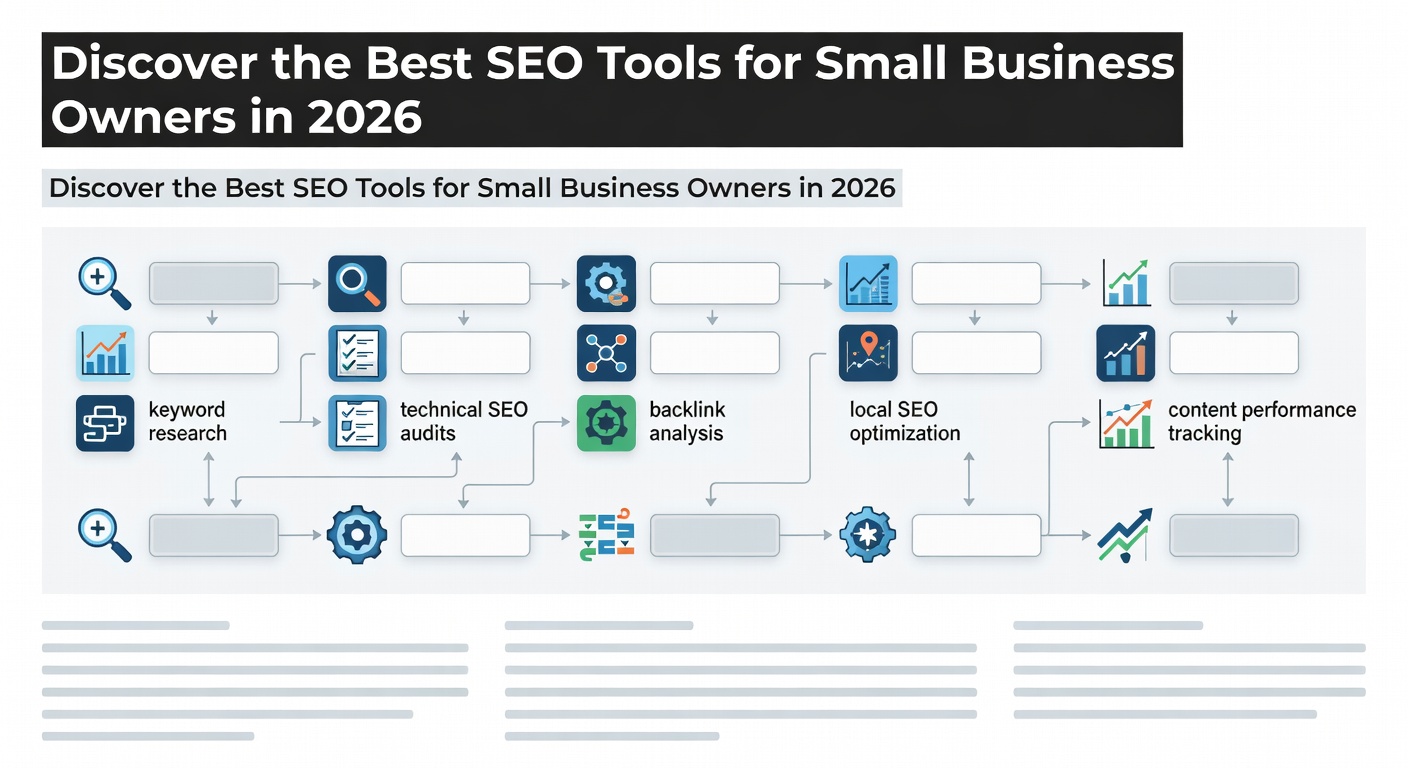
For beginners, this might sound complex. Simply put, SEO tools help you find out why some pages rank well while others don’t. They also highlight problems like broken links or missing titles that might hurt your site’s performance.
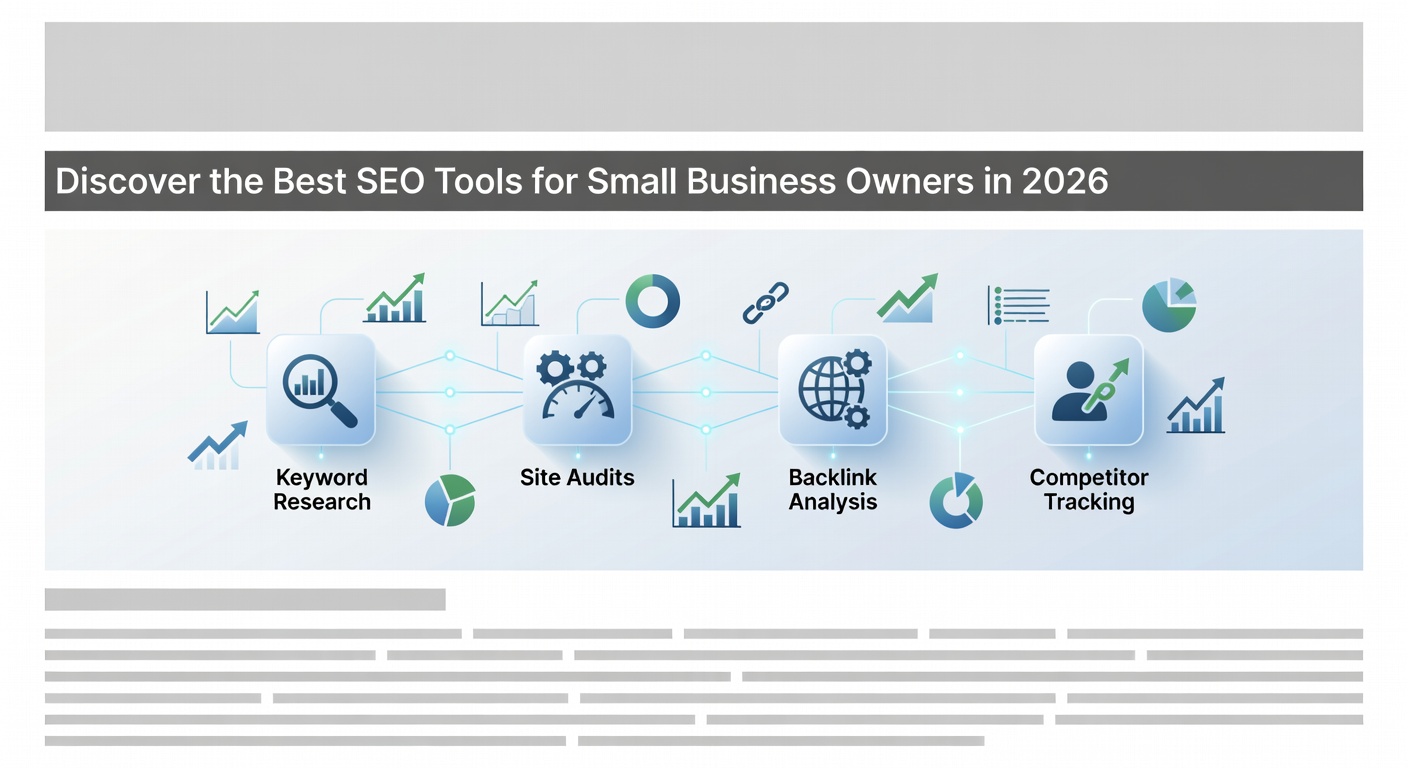
Most SEO software for small business falls into these categories:
Keyword research tools for blog posts, product pages, and landing pages
Rank tracking for important keywords
Technical SEO tools that find site errors and speed issues
Local SEO tools that help show your business in nearby searches
Competitor research and content ideas
Many small business owners prefer an all-in-one SEO platform. This type of software combines multiple SEO tasks like keyword research, ranking data, and audits in one dashboard (computing). It makes managing your SEO easier without juggling many separate tools.
Discover the Best SEO Tools for Small Business Owners in 2026
There’s no one-size-fits-all SEO tool for small businesses. The best choice depends on what you want, your budget, and how much time you can spend. Many SEO tools are cloud-based and offered as Software as a service, so you can access them from any device.
1. Google Search Console: Important Free SEO Tool
Google Search Console is a free tool that every small business should use. It shows how Google views your site, which keywords bring visitors, and where your pages need fixing.
This tool supports local search (Internet) data and helps manage your Google Business Profile. It also lets you submit sitemaps and track your site’s indexing status.
Because it comes directly from Google, it offers reliable data at no cost. Check it out at Google Search Console.
2. Google Analytics: Understanding Visitor Behavior and Data Analysis
Google Analytics shows what visitors do after they arrive on your site. It helps you see which pages lead to sales, calls, or sign-ups.
When used with Search Console, it gives a fuller picture of how your SEO efforts impact your business goals. You can track user actions and perform detailed data analysis to improve your marketing.
Set it up through the Google Analytics homepage.
3. Semrush: All-in-One Powerful SEO and Local SEO Platform
Semrush is a popular paid SEO tool that covers keyword research, rank tracking, backlink checking, and competitor analysis. It also has strong local SEO features for tracking map rankings and customer reviews.
Though it costs more, Semrush combines multiple SEO tasks in one dashboard (computing), saving time for busy small business owners. This suite of SEO tools is perfect for small businesses wanting a full range of features in one place.
Visit Semrush for details. You can also see alternate access options here.
4. Yoast SEO: Easy On-Page SEO for WordPress Sites
Yoast SEO is a WordPress plugin that guides you to write better titles, meta descriptions, and content. It gives clear feedback on SEO basics, helping improve your pages for search engines.
It’s not a full research platform, but it's great for small business websites using WordPress who want simple on-page SEO help focused on seo best practices and content marketing improvement.
Learn more at the Yoast SEO page.
5. Screaming Frog SEO Spider: Technical SEO Website Crawler
Screaming Frog SEO Spider scans your website like a web crawler or search engine bot. It finds broken links, missing tags, duplicate content, and other technical SEO issues.
This tool for technical SEO is useful for audits that make sure your site runs smoothly and avoids ranking penalties.
See more at Screaming Frog SEO Spider.
6. Ahrefs: Deep Keyword and Backlink Research
Ahrefs offers detailed keyword data, backlink checking, and competitor analysis. It’s favored by marketers who want thorough insights into organic rankings and content gaps.
For small businesses focused on content marketing and Affiliate marketing, Ahrefs is a strong choice. The tools are powerful seo for improving your site’s visibility in organic search results.
7. Indexification: Speeding Up Page Indexing
Indexification helps new pages get discovered by search engines faster. This is useful after publishing blog posts or product pages that don’t show in search results yet.
It’s a supporting tool, not a full SEO platform. Visit Indexification to learn more.
8. NeuronWriter: AI Content and SEO Suggestions
NeuronWriter is a content-focused SEO tool that helps plan and optimize your pages. It uses artificial intelligence to suggest keywords, topics, and on-page improvements.
This tool saves time writing SEO-friendly content and offers a simple dashboard (computing) for tracking content quality. NeuronWriter is great for small business owners who want to improve their SEO through better content marketing.
Explore it at NeuronWriter.
Free SEO Tools That Small Businesses Should Know
Free SEO tools are great for small budgets and beginners. They cover basic keyword research, site audits, and ranking checks.
Popular free tools include Google Search Console, Google Analytics, Google Keyword Planner, and Google Trends.
Many free tools limit daily searches or data exports, but they are enough for starting SEO work.
Free Keyword Research Tools
Google Keyword Planner, Google Trends, and AnswerThePublic help find keyword ideas before paying for SEO software. These types of tools like these guide blog and page planning with search trends and related queries.
Can Free SEO Tools Be Trusted?
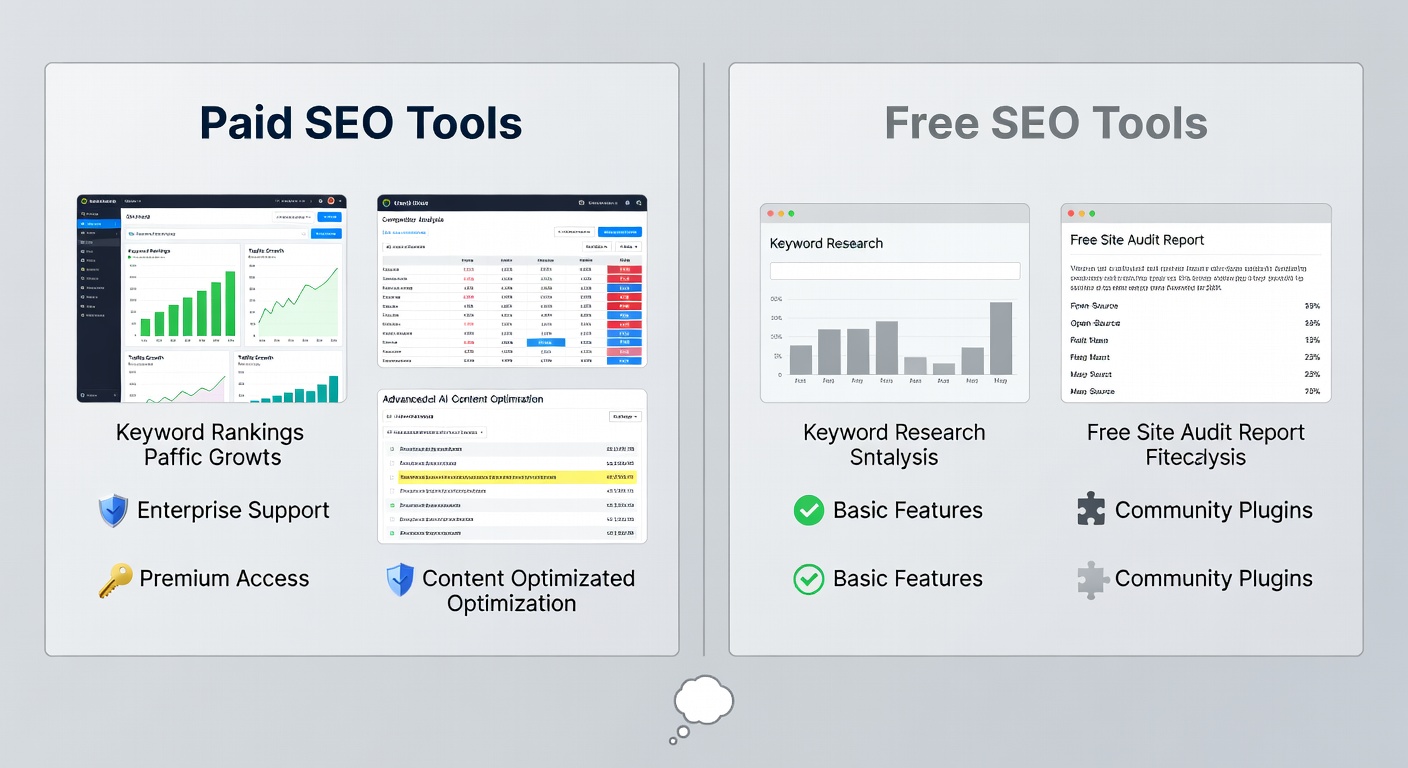
Yes, free SEO tools provide useful information for beginners. However, they may not show full backlink reports or deep competitor insights. For detailed work, paid tools offer more accurate data.
Paid SEO Tools vs Free SEO Tools: What Small Businesses Should Consider
Paid SEO tools usually offer more data, faster updates, and better reporting. They save time and give deeper insights for growing sites or local businesses.
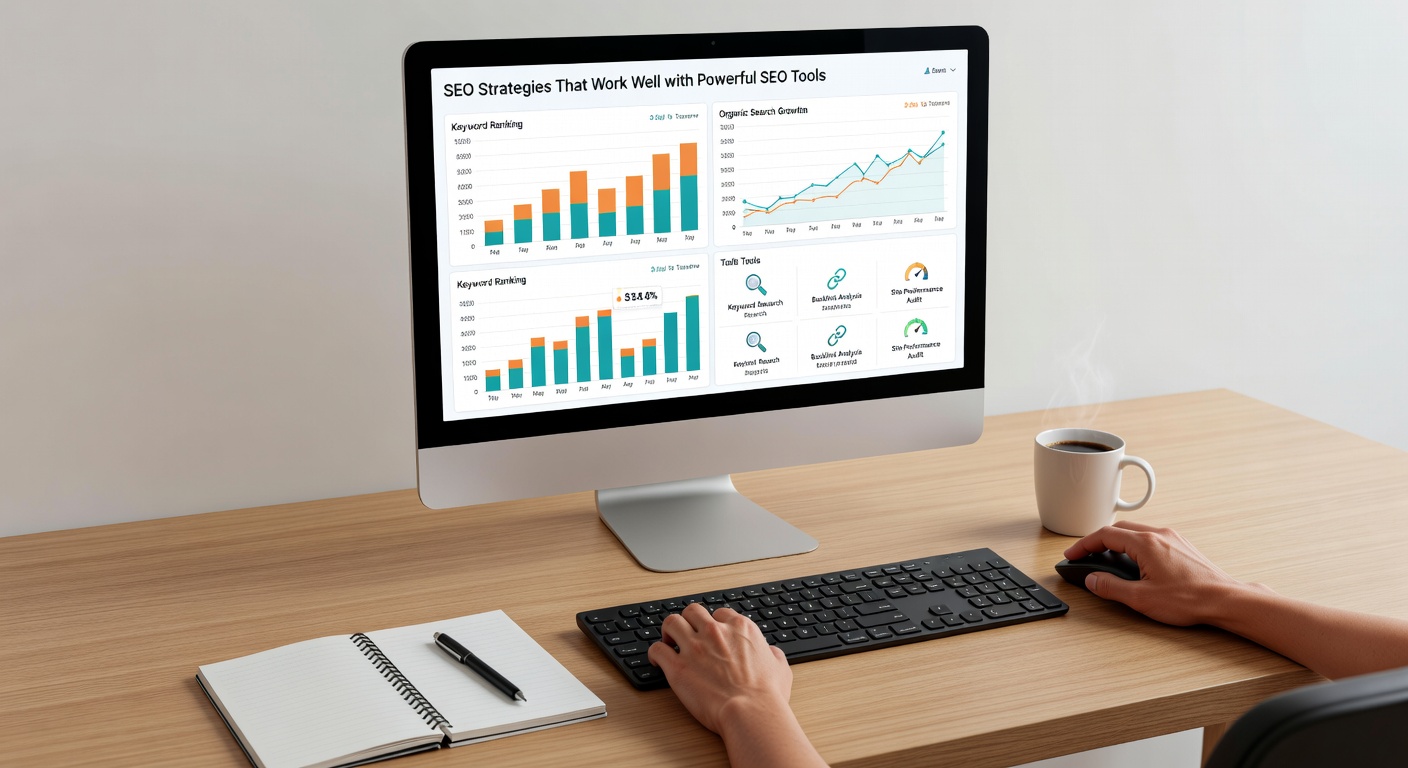
Free tools are good for learning and handling simple SEO tasks. Many small business owners start with free tools and add paid options when they need more features.
Often, a combination of free and paid SEO tools works best.
Features to Look for in SEO Software for Small Business
Not every SEO tool fits every small business. Focus on features you will use regularly, such as:
Clear keyword research with search volume and difficulty
Rank tracking for local and broader keywords
SEO site audits that highlight real problems and fixes
Backlink checks for link quality and opportunities
Content and on-page SEO guidance
Local SEO tools for map rankings and Google Business Profile data
Simple dashboards that show key data without clutter
Good Usability so you don’t waste time learning complex software
Tools with many features but complicated dashboards can slow you down. Simple, easy-to-read software is often better for small teams.
Local SEO Tools to Improve Your Business’s Presence Nearby
Local SEO is important if your business serves a city or neighborhood. It helps you show up in map results and local searches.
Good local SEO tools track map pack rankings, customer reviews, and Google Business Profile insights. They also help you optimize local landing pages.
Local search (Internet) data is key for attracting customers close to your location.
How to Choose the Right SEO Tools to Optimize Your Small Business
Start with your main goal. Do you want more traffic, better content, or more local customers?
Pick the right tool for your needs. For content help, try content planning tools. For fixing technical SEO issues, choose audit tools. For rankings and backlinks, pick research platforms.
Also check your budget, how many users need access, and how often you will use the tool. The best tool fits your daily routine and follows seo best practices.
SEO Strategies That Work Well with Powerful SEO Tools
SEO tools give you data but do not replace action. Use the 80/20 rule: focus on the 20% of pages and keywords that bring 80% of results.
Start by improving titles, fixing technical SEO issues, publishing useful content, and building local pages. SEO tools help you see which pages to focus on first.
Can Small Business Owners Do Small Business SEO on Their Own?
Yes, many small business owners can manage basic SEO. Start with Google Search Console, Analytics, and one keyword tool.
Learn the basics of small business SEO, content, and technical SEO. Improve your site one page at a time.
If you have limited time, use simple software as a service for small business owners and keep your SEO tasks small and steady.
Small Business Owner Checklist for Choosing SEO Software
Before buying SEO software, check these points:
Does it help with keyword research?
Can it track local SEO and general ranking?
Are SEO metrics like PageRank easy to understand?
Does it find SEO issues clearly?
Is there a free version or trial?
Will you use it regularly?
Is the software compatible with your preferred web browser, such as Google Chrome?
This helps avoid paying for tools you won’t use or need.
How to Stay Safe When Using SEO Tools
Only use trusted websites and official login pages. Avoid sharing passwords in insecure places.
Use two-factor authentication on your Google accounts for tools connected to Search Console or Analytics.
If you use shared or group-buy access, make sure it is reliable and keeps your accounts separate.
The Role of the Dashboard in SEO Tools for Small Business
A dashboard (computing) in SEO tools shows your website’s performance at a glance. It displays web page traffic, rankings, site health, and other key metrics.
For small business owners, a simple dashboard saves time and helps decide what needs fixing or improving next.
Why XML Schema Matters for SEO
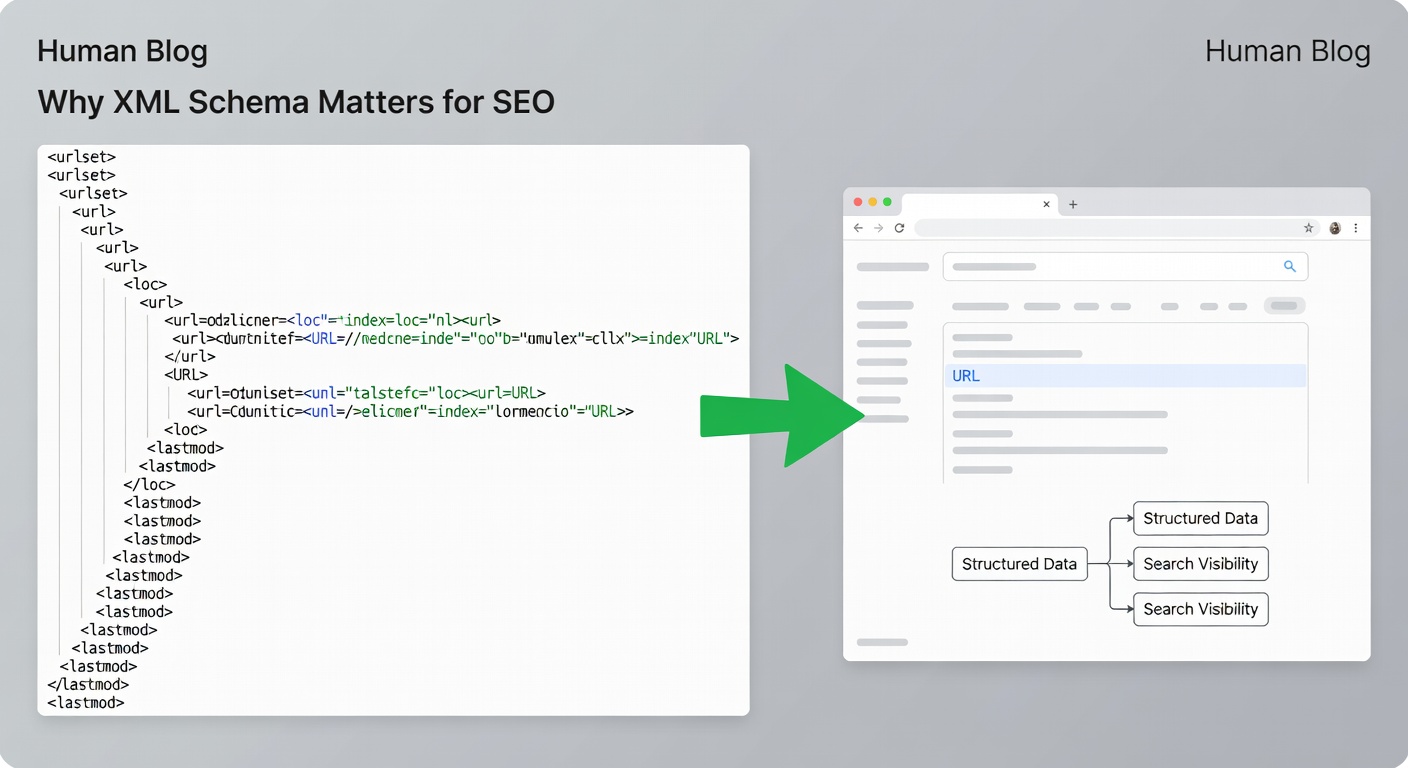
XML schema organizes your website’s data so search engines understand it better. This can improve how your site appears in Search engine results page.
Many SEO tools check if your site uses XML schema correctly. Fixing errors here can help your pages show richer results.

Quick Comparison of Best SEO Tools for Small Business
Best free SEO tools: Google Search Console and Google Analytics
Best keyword research: Semrush, Ahrefs, Google Keyword Planner
Best technical SEO tool: Screaming Frog SEO Spider
Best on-page SEO: Yoast SEO
Best content planning: NeuronWriter
Best indexing help: Indexification
Start with free tools, then add paid tools that fill your biggest needs.
Other SEO Software Options for Small Business Owners
Other useful seo software options include Moz, Ubersuggest, and Majestic. They provide backlink data, keyword ideas, and site audits.
Microsoft Bing Webmaster Tools is another free option that supports local search (Internet) and indexing.
Many small businesses check Reddit for user reviews and advice on SEO tools.
Alternative Tools
Moz: Provides keyword research, link building, and site audits.
Ubersuggest: Offers keyword ideas and competitor analysis.
Majestic: Focuses on backlink data and link quality.
Microsoft Bing Webmaster Tools: Free tool supporting indexing and local SEO.
Practical Buying and Usage Tips
Before you choose a seo tools for small business plan, check a few practical points. These tips help you compare price, access, support, and daily use without making the article feel like a keyword list.
Price, Plan, and Refund Checks
Free trial: Free trial is worth checking when you compare whether the SEO tools for small business plan fits your daily workflow.
Use free tools: Use free tools should help with real daily work, such as research, planning, tracking, or improving content performance.
Free tools for SEO: Free tools for SEO should help with real daily work, such as research, planning, tracking, or improving content performance.
Features and Daily Use
Keyword research tool: Keyword research tool should help with real daily work, such as research, planning, tracking, or improving content performance.
SEO audit: Look at how SEO audit works in practice, not just whether the feature name is listed on the page.
Best local SEO: If Best local SEO is important for your work, confirm the access rules before you buy the plan.
Complete SEO: Complete SEO can add value when it helps you save time, make better decisions, or improve your content quality.
SEO performance: SEO performance is worth checking when you compare whether the SEO tools for small business plan fits your daily workflow.
Analysis tool: Analysis tool should help with real daily work, such as research, planning, tracking, or improving content performance.
Tools for SEO: Tools for SEO should help with real daily work, such as research, planning, tracking, or improving content performance.
Best SEO software for small: Best SEO software for small can add value when it helps you save time, make better decisions, or improve your content quality.
Who This Option Helps
Small business website: Small business website is worth checking when you compare whether the SEO tools for small business plan fits your daily workflow.
Average small business: Look at how Average small business works in practice, not just whether the feature name is listed on the page.
Choice for small businesses: If Choice for small businesses is important for your work, confirm the access rules before you buy the plan.
Software for small business owners: Software for small business owners can add value when it helps you save time, make better decisions, or improve your content quality.
Extra Points to Compare
Beginner: Beginner is worth checking when you compare whether the SEO tools for small business plan fits your daily workflow.
Running a small: Look at how Running a small works in practice, not just whether the feature name is listed on the page.
Small and medium-sized: If Small and medium-sized is important for your work, confirm the access rules before you buy the plan.
Search engine optimization: Search engine optimization can add value when it helps you save time, make better decisions, or improve your content quality.
E-commerce: E-commerce is worth checking when you compare whether the SEO tools for small business plan fits your daily workflow.
Mathematical optimization: Look at how Mathematical optimization works in practice, not just whether the feature name is listed on the page.
Meta element: If Meta element is important for your work, confirm the access rules before you buy the plan.
Local search (Internet): Local search (Internet) can add value when it helps you save time, make better decisions, or improve your content quality.
Helpful Links Before You Choose
Before you buy, it is smart to compare the main service, related tools, access rules, and support options. These links can help you make a safer choice.
RenderForest can help you compare related options before you choose a plan.
premium tools collection can help you compare related options before you choose a plan.